
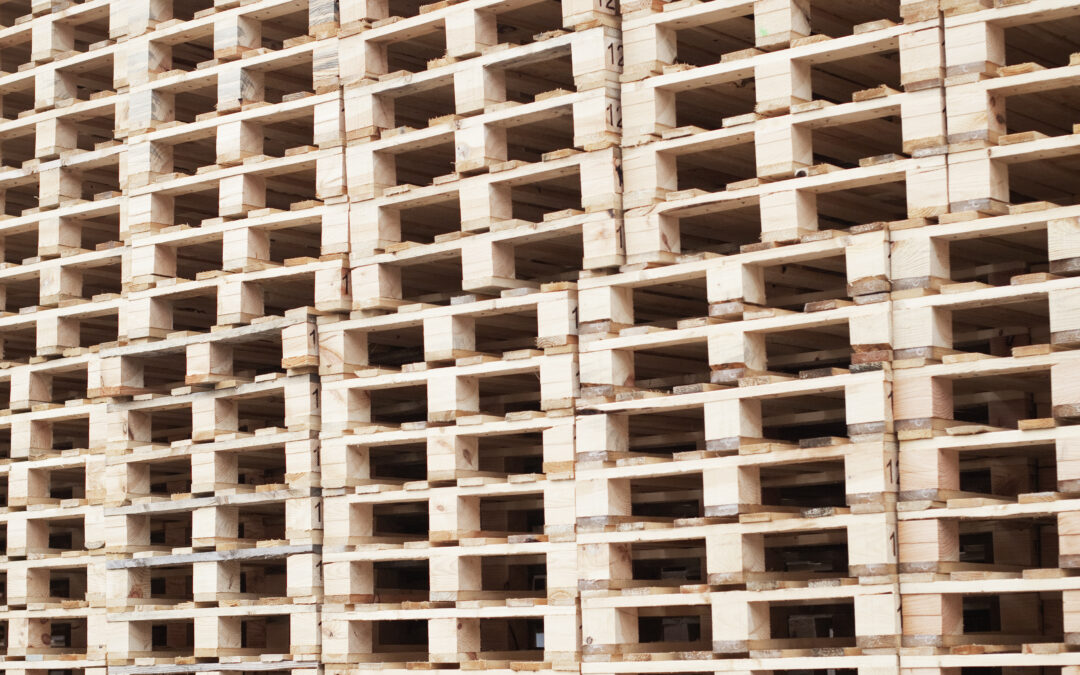
When it comes to shipping, storage, and logistics, understanding the types of different pallets is essential. Pallets are the backbone of supply chains across industries, supporting everything from agriculture and manufacturing to retail and food distribution. Choosing the right pallet can improve efficiency, reduce costs, and even protect your products during transit.
In this guide, we will break down the most common types of different pallets, how they are used, and what makes each one unique. Whether you are sourcing pallets for the first time or looking to optimize your current system, this overview will help you make informed decisions.
Why Understanding Types Of Different Pallets Matters
Not all pallets are created equal. The types of different pallets you choose can impact:
- Load capacity and safety
- Shipping costs
- Storage efficiency
- Compatibility with equipment
- Durability and lifecycle cost
Using the wrong pallet can lead to product damage, higher expenses, and inefficiencies in your workflow. That is why it is critical to understand the differences between pallet types and how they align with your operational needs.
1. Stringer Pallets
Stringer pallets are one of the most common types of different pallets used in North America. They are built using three or more parallel pieces of wood called stringers, which support the top deckboards.

Key features:
- Typically two-way entry (forklifts can enter from two sides)
- Lightweight and cost-effective
- Widely available
Best uses:
- General shipping and storage
- Light to medium loads
- Businesses looking for budget-friendly options
Stringer pallets are ideal for companies that need reliable performance without a high upfront cost. However, they may not be as durable as other designs under heavy or repeated use.
2. Block Pallets
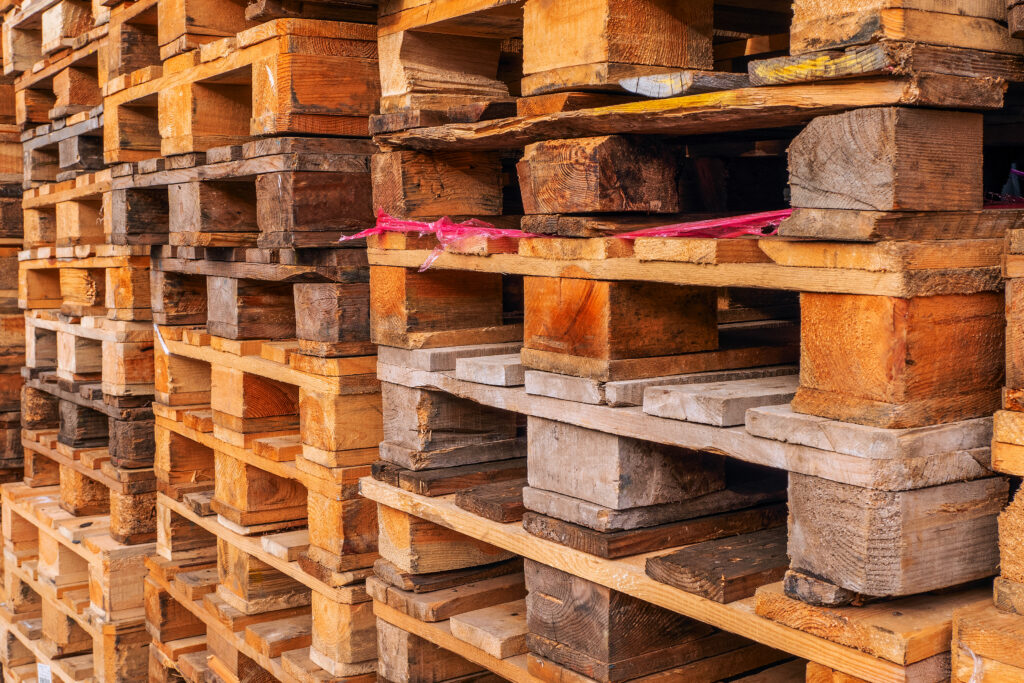
Block pallets are considered a more advanced option among the types of different pallets. Instead of stringers, they use solid blocks to support the structure.
Key features:
- Four-way entry (accessible from all sides)
- Stronger and more durable
- Better weight distribution
Best uses:
- Heavy loads
- High-volume warehouses
- Automated systems
Block pallets are often preferred in industries where durability and efficiency are critical. Their four-way entry makes them easier to handle and move, especially in fast-paced environments.
3. Wood Pallets
Wood pallets are the most widely used across all types of different pallets. They can be constructed as either stringer or block pallets.
Key features:
- Cost-effective
- Easy to repair
- Widely recyclable
Best uses:
- General logistics
- Domestic shipping
- Industries looking for affordable solutions
Wood pallets remain the industry standard because they strike a balance between cost and performance. They are also easy to customize for different load sizes and weights.
4. Plastic Pallets
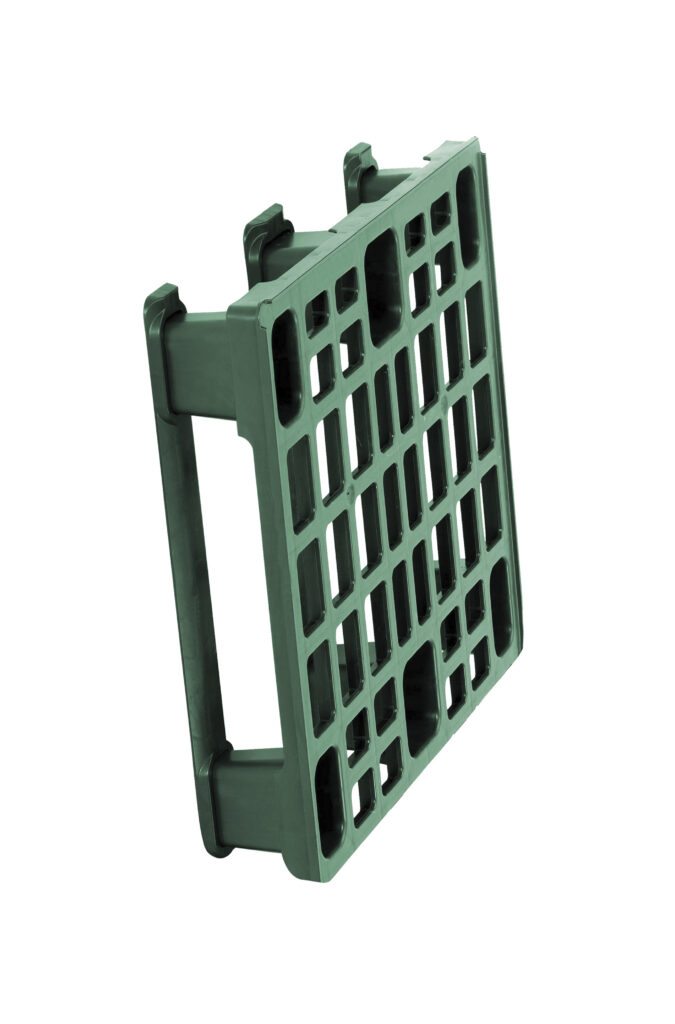
Plastic pallets are becoming increasingly popular as businesses look for alternatives to traditional wood options.
Key features:
- Resistant to moisture and chemicals
- Lightweight yet durable
- Consistent dimensions
Best uses:
- Food and beverage industry
- Pharmaceutical shipping
- Clean environments
Among the types of different pallets, plastic options stand out for their hygiene and longevity. However, they typically come with a higher upfront cost.
5. Metal Pallets
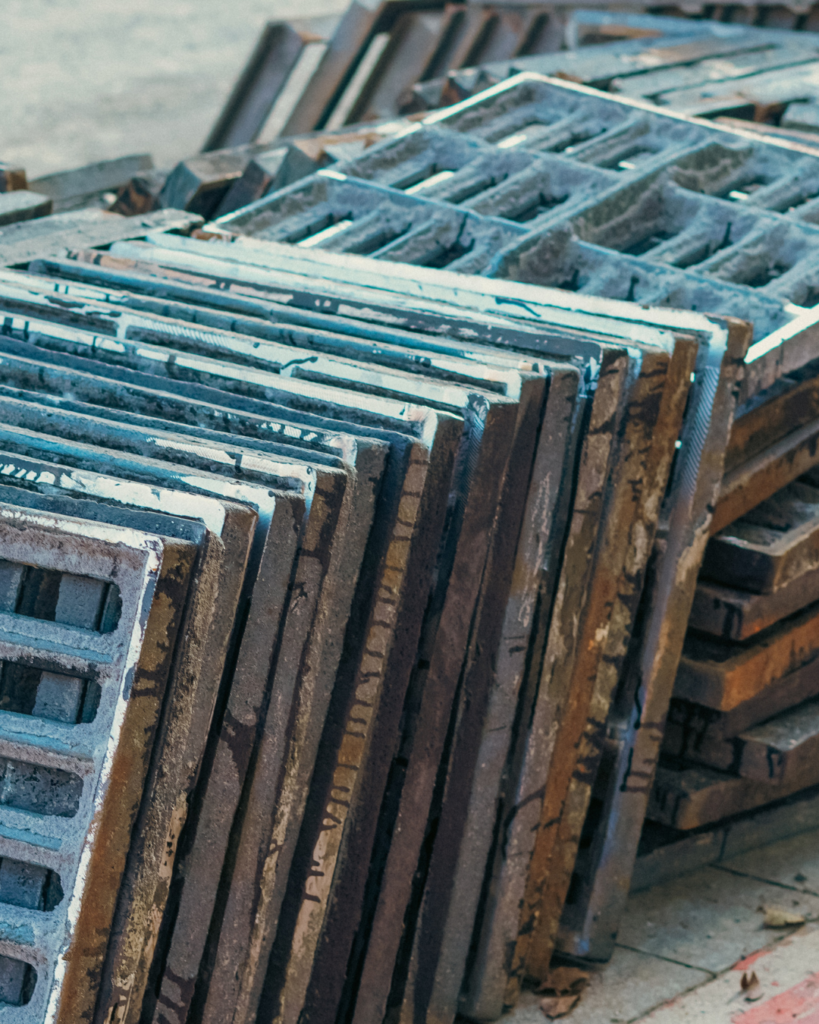
Metal pallets, often made from steel or aluminum, are the most durable option available.
Key features:
- Extremely strong
- Fire-resistant
- Long lifespan
Best uses:
- Heavy industrial applications
- Export shipping
- Environments requiring high durability
While not as common as wood or plastic, metal pallets are essential for specialized industries that require maximum strength and reliability.
6. Recycled Pallets
Recycled pallets are refurbished and reused, making them an eco-friendly option among the types of different pallets.
Key features:
- Lower cost than new pallets
- Environmentally friendly
- Available in various grades
Best uses:
- Budget-conscious businesses
- Sustainability-focused operations
- Non-critical shipping needs
Recycled pallets are a great way to reduce waste while still maintaining functionality. Many businesses use them for one-way shipping or lighter loads.
7. Heat-Treated Pallets
Heat-treated pallets are wood pallets that have been treated to meet international shipping regulations.
Key features:
- Compliant with ISPM-15 standards
- Safe for export
- Prevents pest contamination
Best uses:
- International shipping
- Export businesses
- Global supply chains
If your business ships products overseas, heat-treated pallets are not optional—they are required. This makes them a critical category within the types of different pallets.
8. Custom Pallets
Custom pallets are designed specifically for your product dimensions, weight requirements, and handling needs.
Key features:
- Tailored to your operation
- Optimized for efficiency
- Can reduce shipping costs
Best uses:
- Unique or oversized products
- High-volume shipping
- Businesses looking to optimize logistics
Custom pallets offer one of the biggest advantages among the types of different pallets because they are built around your exact needs. This can lead to long-term savings and improved performance.
Choosing the Right Type Of Pallet
With so many types of different pallets available, choosing the right one depends on several factors:
1. Load Weight
Heavier loads require stronger pallets like block or metal designs.
2. Shipping Distance
Long-distance or international shipping may require heat-treated pallets.
3. Budget
Recycled and stringer pallets offer cost savings, while plastic and metal require more investment.
4. Industry Requirements
Certain industries, such as food and pharmaceuticals, may require plastic pallets for hygiene reasons.
5. Handling Equipment
Ensure your pallet type is compatible with forklifts, pallet jacks, and automated systems.
Benefits of Understanding Types Of Different Pallets
When you fully understand the types of different pallets, you can:
- Reduce product damage
- Improve warehouse efficiency
- Lower long-term costs
- Streamline shipping processes
- Support sustainability goals
Making the right choice is not just about picking a pallet—it is about optimizing your entire operation.
Common Mistakes to Avoid
Even experienced businesses can make mistakes when selecting pallet types. Here are a few to watch for:
- Choosing based only on price
- Ignoring weight capacity
- Overlooking export requirements
- Using standard pallets when custom is needed
- Not considering long-term durability
Avoiding these mistakes ensures you get the most value out of your pallet investment.
Conclusion
Understanding the types of different pallets is essential for any business involved in shipping, storage, or logistics. From stringer and block pallets to plastic, metal, and custom solutions, each type serves a specific purpose.
Choosing the right pallet can improve efficiency, protect your products, and reduce overall costs. Whether you are managing a warehouse, running a distribution center, or shipping products across the country or overseas, the right pallet strategy makes a significant difference.
If you are evaluating your options or need help selecting the right solution, there is real value in working with a team that understands both the products and the logistics behind them. If you are ready to take the next step, you can contact us here for a quote or reach out here for everything else to get expert guidance tailored to your operation.
Further Reading
- National Wooden Pallet & Container Association (NWPCA)
https://www.palletcentral.com - International Standards for Phytosanitary Measures No. 15 (ISPM-15)
https://www.ippc.int/en/core-activities/standards-setting/ispms - Material Handling Industry – Pallet Basics
https://www.mhi.org - OSHA Guidelines for Material Handling
https://www.osha.gov/materials-handling