
Dynamic vs. Static Load Capacity: What’s the Difference?
If you’ve ever purchased wooden pallets for shipping, warehousing, or manufacturing, you’ve likely come across the terms dynamic vs. static load capacity. While they sound similar, they measure two very different types of weight that a pallet can safely support.
Understanding dynamic vs. static load capacity is essential when choosing the right pallet for your operation. Selecting a pallet based on the wrong load rating can lead to damaged products, broken pallets, safety hazards, and unnecessary costs.
Whether you’re shipping products across the country, storing inventory in a warehouse, or moving heavy materials throughout your facility, knowing how dynamic vs. static load capacity works can help you make better purchasing decisions.
In this guide, we’ll explain what each load rating means, how they differ, what affects pallet performance, and why understanding dynamic vs. static load capacity is critical for protecting your products.
What Is Dynamic vs. Static Load Capacity?
At its simplest, dynamic vs. static load capacity refers to two different ways a pallet supports weight.
Static load capacity measures how much weight a pallet can safely support while it remains completely stationary on a flat surface.
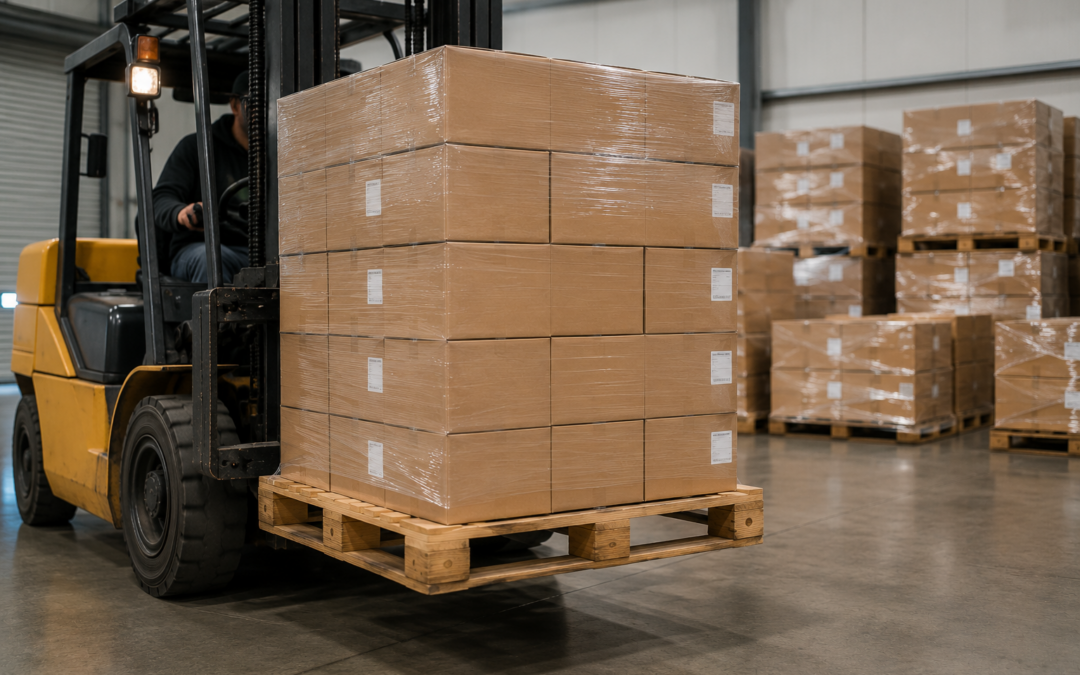
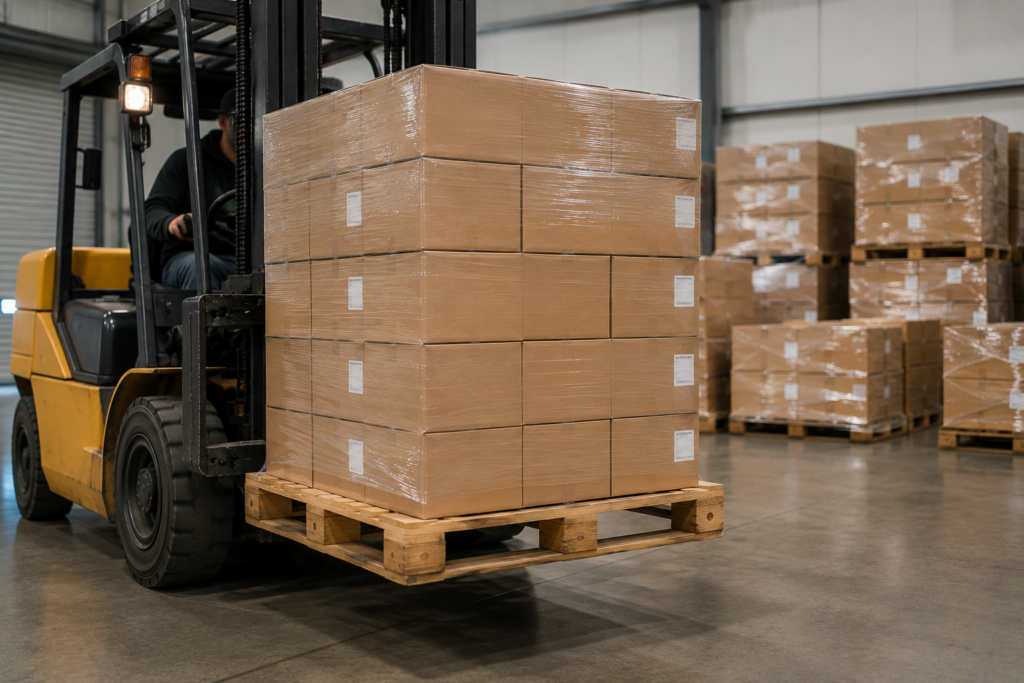
Dynamic load capacity measures how much weight the pallet can safely carry while it is being moved by equipment such as forklifts or pallet jacks.
The difference between these ratings is significant because movement places much greater stress on the pallet than simply sitting on the floor.
What Is Static Load Capacity?
Static load capacity is the maximum amount of weight a pallet can hold when it is resting on a solid, level surface.
When a pallet sits directly on the warehouse floor, the entire bottom surface is supported. Because the weight is distributed evenly across the pallet, there is very little bending or flexing.
This allows the pallet to safely support its greatest amount of weight.
Many standard wooden pallets can support several thousand pounds under static conditions when the load is evenly distributed.
Common examples include:
- Inventory stored on warehouse floors
- Products staged before shipment
- Finished goods awaiting pickup
- Pallets stored in production facilities
In these situations, the pallet remains stationary, making static load capacity the appropriate measurement.
What Is Dynamic Load Capacity?
Dynamic load capacity measures the amount of weight a pallet can safely support while it is being transported.
Once a forklift lifts a pallet from the floor, the forces acting on it change dramatically.
Instead of being fully supported across the bottom, only the forklift forks support the load.

As the forklift accelerates, brakes, turns, or travels across uneven surfaces, additional stress is placed on the pallet.
This is why dynamic load capacity is always lower than static load capacity.
Examples of dynamic loading include:
- Forklift transportation
- Pallet jack movement
- Loading trailers
- Unloading deliveries
- Moving products through a warehouse
Every movement increases stress on the pallet’s deck boards, stringers, blocks, and fasteners.
Why Dynamic vs. Static Load Capacity Matters
Understanding dynamic vs. static load capacity helps businesses avoid expensive mistakes.
Imagine a pallet that safely supports 4,500 pounds while sitting on the warehouse floor.
That same pallet may only safely support 2,500 pounds while being transported.
If a business assumes the higher rating applies during transportation, the pallet could fail while being moved.
Broken pallets can result in:
- Product damage
- Employee injuries
- Shipping delays
- Equipment damage
- Increased replacement costs
Knowing which load rating applies helps keep operations safe and efficient.
Why Dynamic Load Ratings Are Lower
Movement creates forces that stationary pallets never experience.
These include:
Vibration
Forklifts traveling across warehouse floors create constant vibration that weakens structural support.
Sudden Stops
Braking shifts the weight forward, placing additional stress on the front deck boards and stringers.
Turning
Cornering causes loads to shift from side to side.
Uneven weight distribution increases stress on one portion of the pallet.
Fork Support
Instead of full support underneath, only the forklift forks carry the entire load.
This creates bending forces that do not exist during static storage.
What Affects Dynamic vs. Static Load Capacity?
Several factors influence pallet strength.
Lumber Quality
Higher-quality lumber generally provides greater strength and durability.

Wood species, moisture content, and board quality all contribute to overall load capacity.
Pallet Construction
Block pallets and stringer pallets are engineered differently.
Some designs provide additional structural support depending on the intended application.
Deck Board Thickness
Thicker deck boards typically distribute weight more effectively.
This reduces stress on individual boards.
Fastener Quality
Loose nails or damaged fasteners reduce the pallet’s ability to safely support heavy loads.
Proper construction helps maximize performance.
Pallet Condition
Even the strongest pallet loses capacity when damaged.
Cracked boards, split stringers, excessive wear, and loose fasteners all reduce safe load limits.
Weight Distribution
Evenly distributed loads perform much better than concentrated loads.
Heavy products placed on one corner of a pallet create unnecessary stress that can lead to failure.
Don’t Forget About Racking Load Capacity
While comparing dynamic vs. static load capacity, it’s also important to understand racking load capacity.
This measures how much weight a pallet can safely support while stored on warehouse rack beams.
Unlike static loading, only the ends of the pallet are supported.
The middle portion must support the weight without sagging.
Many businesses accidentally confuse dynamic and racking load capacities.
If your products are stored in warehouse racks, choosing pallets with sufficient racking capacity is just as important.
Common Mistakes Businesses Make
One of the biggest mistakes companies make is assuming all pallets have identical load ratings.
In reality, two pallets with identical dimensions may have completely different capacities.
Other common mistakes include:
- Overloading recycled pallets without inspection
- Ignoring damaged deck boards
- Using warehouse storage ratings during transportation
- Unevenly distributing heavy products
- Purchasing pallets based only on price
Understanding dynamic vs. static load capacity helps avoid these costly errors.
How to Choose the Right Pallet
The best pallet depends on how it will be used.
Ask yourself:
- Will the pallet remain on the warehouse floor?
- Will forklifts move it frequently?
- Will it be stored in pallet racking?
- How heavy are the products?
- Is the weight evenly distributed?
- Will the pallet be reused multiple times?
- Would a custom pallet provide better long-term value?
Working with an experienced pallet supplier helps ensure your pallets match your operational requirements.
When Should You Consider Custom Pallets?
Standard pallets work well for many applications.
However, custom pallets may be a better choice if you regularly ship:
- Industrial machinery
- Building materials
- Heavy manufacturing equipment
- Oversized products
- High-value inventory
Custom pallet designs can improve both dynamic and static load capacity by increasing structural support where it is needed most.
Why Pallet Quality Matters
Regardless of load ratings, pallet quality always matters.
Professionally manufactured pallets built with quality lumber and proper construction techniques provide greater reliability than poorly built alternatives.
Routine pallet inspections also help maintain safe operations.
Replacing damaged pallets before they fail protects employees, equipment, and inventory.
Conclusion
Understanding dynamic vs. static load capacity is one of the most important factors when selecting wooden pallets for your business. While static load capacity measures how much weight a pallet can support while resting on a solid surface, dynamic load capacity measures how much weight it can safely carry while being moved. Choosing the correct load rating helps reduce product damage, improve workplace safety, and extend the life of your pallets.
Whether you need standard pallets, recycled pallets, heat treated pallets, or custom pallet solutions, selecting the right pallet starts with understanding how it will be used. If you have questions about which pallet is best for your operation, contact us here and our team will be happy to help. If you’re ready to discuss your pallet requirements or need pricing for an upcoming project, you can also submit a quote request here. We’re here to help you find the right pallet solution for your business.
Further Reading
- National Wooden Pallet & Container Association (NWPCA)
https://www.palletcentral.com/ - Virginia Tech Center for Packaging and Unit Load Design
https://unitload.vt.edu/ - OSHA Material Handling Guide
https://www.osha.gov/materials-handling - USDA Wood Handbook
https://www.fs.usda.gov/research/treesearch/62200