
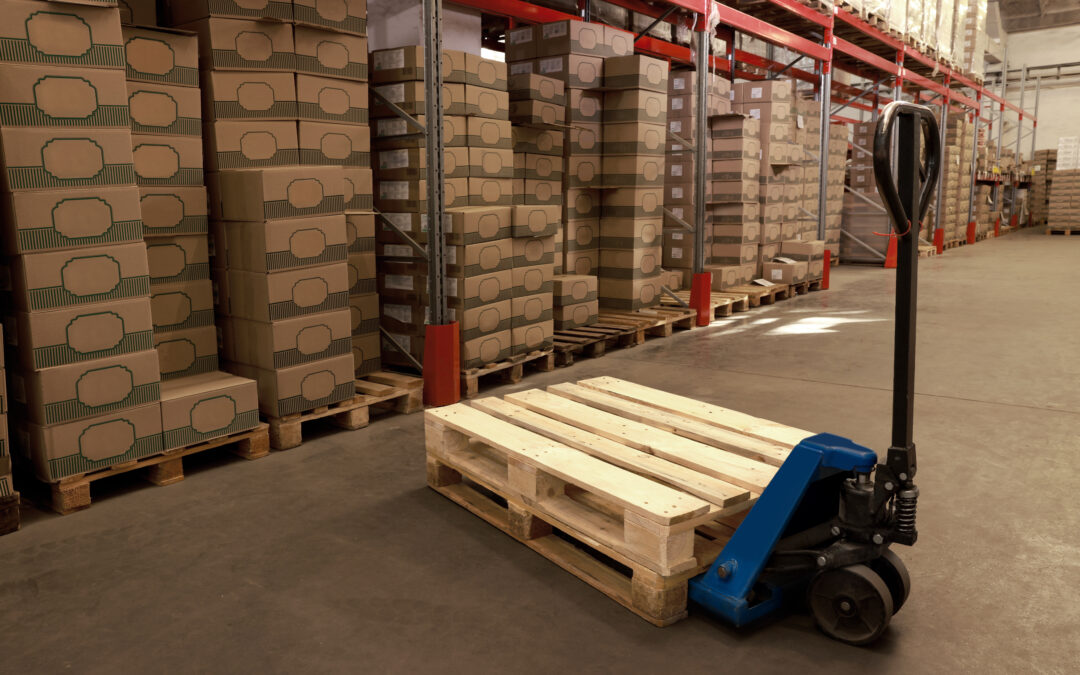
When it comes to shipping, warehousing, and material handling, understanding standard pallet sizes is essential. Pallets are the foundation of modern logistics, allowing products to be stored, moved, and transported efficiently throughout the supply chain. While many people think all pallets are the same size, there are actually several standard pallet sizes used across different industries and regions.
Choosing the right pallet size can improve storage efficiency, reduce shipping costs, enhance safety, and maximize the use of warehouse space. Whether you are purchasing new pallets, recycled pallets, or custom pallet solutions, understanding standard pallet sizes will help you make informed decisions that benefit your business.
In this guide, we’ll break down the most common pallet dimensions, explain where they’re used, and discuss how to select the right option for your operation.
Why Standard Pallet Sizes Matter
The purpose of standard pallet sizes is to create consistency throughout supply chains. Standardized dimensions make it easier for warehouses, forklifts, pallet jacks, trucks, and storage systems to handle products efficiently.
When businesses use standard pallet sizes, they benefit from:
- Easier warehouse organization
- Improved transportation efficiency
- Reduced product damage
- Better compatibility with equipment
- Lower logistics costs
- Simplified inventory management
Using the wrong pallet size can lead to wasted space, damaged goods, and unnecessary shipping expenses. That’s why understanding standard pallet sizes is important for manufacturers, distributors, retailers, and logistics professionals alike.
The Most Common Standard Pallet Size in North America
The most widely used pallet in the United States is the 48-inch by 40-inch pallet.
48″ x 40″ GMA Pallet
The 48″ x 40″ pallet is commonly referred to as the GMA pallet because it was standardized by the Grocery Manufacturers Association.
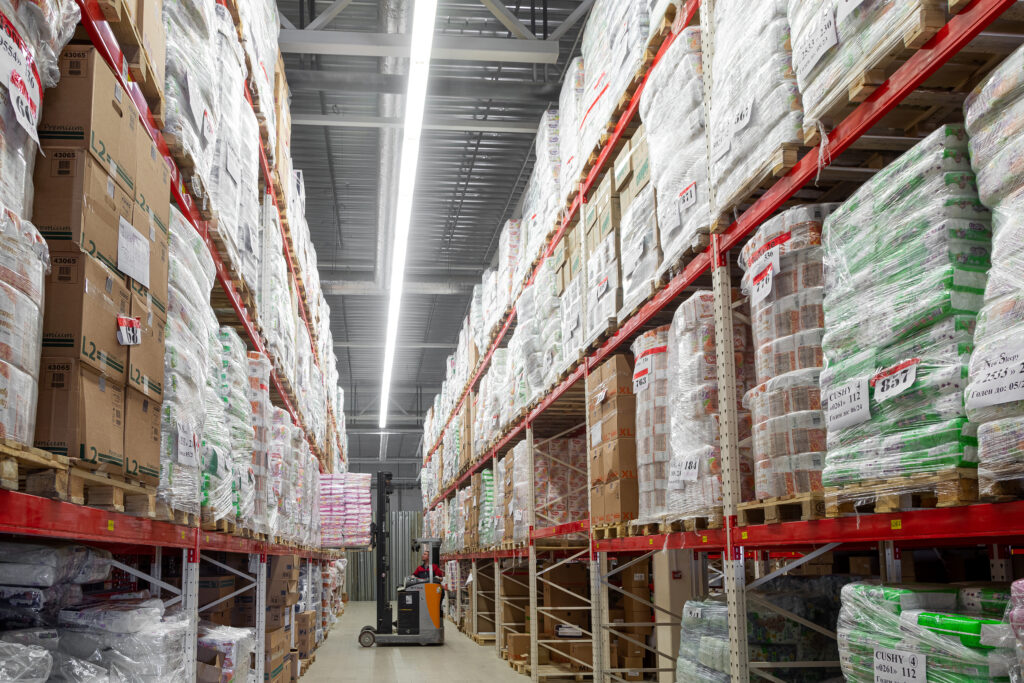
Common Applications
- Food and beverage distribution
- Consumer goods
- Retail products
- Warehouse storage
- General manufacturing
Benefits
- Compatible with most warehouse systems
- Easily handled by forklifts and pallet jacks
- Widely available throughout North America
- Cost-effective due to high production volume
Because of its widespread use, many businesses default to this size when evaluating standard pallet sizes for their operations.
Other Common Standard Pallet Sizes
Although the 48″ x 40″ pallet dominates the market, many industries rely on alternative dimensions to accommodate specialized products and shipping requirements.
42″ x 42″ Pallet
This square pallet is commonly used in industries where balanced loads are important.
Common Uses
- Beverage distribution
- Industrial products
- Chemical manufacturing
Its square shape provides stability and makes it useful for products that require equal weight distribution.
48″ x 48″ Pallet
The 48″ x 48″ pallet is another common option among standard pallet sizes.
Common Uses
- Bulk containers
- Drums
- Large industrial shipments
The larger footprint allows for increased product capacity while maintaining stability.
40″ x 48″ Pallet
While similar to the GMA pallet, this configuration is often referenced differently depending on orientation and handling requirements.
Common Uses
- General warehousing
- Retail distribution
- Consumer packaged goods
36″ x 36″ Pallet
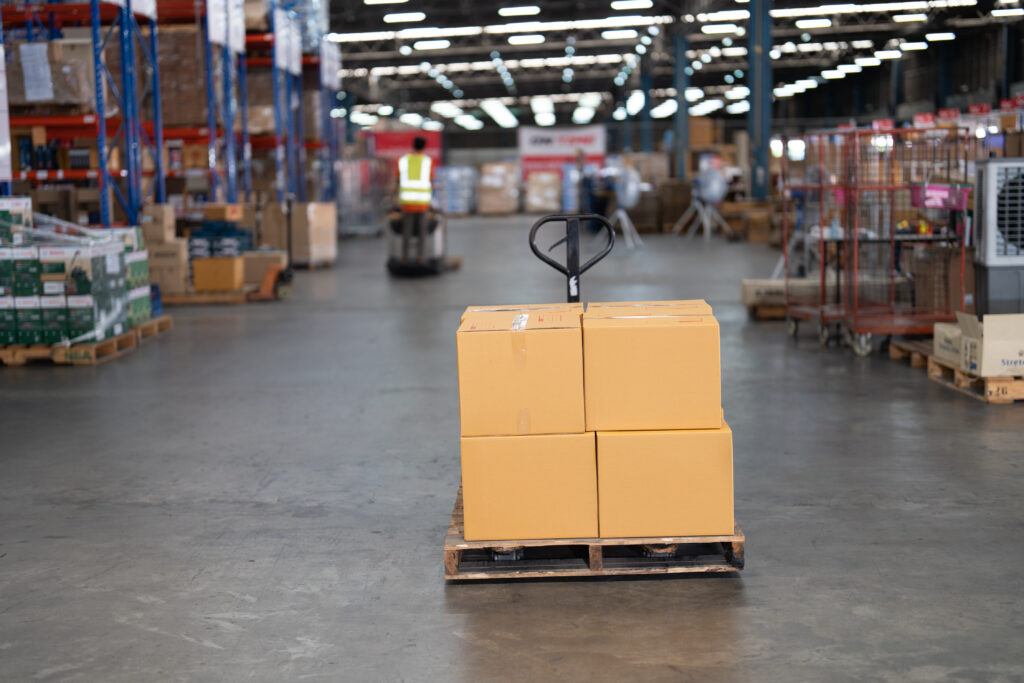
Smaller than most standard pallet sizes, this pallet works well for compact loads.
Common Uses
- Beverage industry
- Specialty products
- Smaller warehouse operations
48″ x 42″ Pallet
This size is often found in sectors requiring larger footprints than traditional grocery distribution.
Common Uses
- Telecommunications equipment
- Industrial components
- Automotive products
Standard Pallet Sizes by Industry
Different industries have adopted specific pallet dimensions based on product requirements and supply chain demands.
Grocery Industry
The grocery industry primarily uses the 48″ x 40″ pallet.
Reasons include:
- Efficient truck loading
- Standardized warehouse systems
- Compatibility with automated handling equipment
Beverage Industry
The beverage sector often uses:
- 36″ x 36″
- 42″ x 42″
These sizes are well-suited for transporting bottles, cans, and cases while maintaining stability.
Automotive Industry
Automotive manufacturers frequently utilize:
- 48″ x 45″
- Custom pallet dimensions
These pallet sizes accommodate heavier components and irregularly shaped parts.
Manufacturing Industry
Manufacturers often use a combination of:
- 48″ x 40″
- 48″ x 48″
- Custom pallet designs
The flexibility allows companies to optimize shipping and storage based on product dimensions.
International Standard Pallet Sizes
Businesses involved in global trade should understand that standard pallet sizes vary by region.
European Pallet (EUR-Pallet)
Dimensions:
- 47.24″ x 31.50″ (1200mm x 800mm)
Commonly used throughout Europe, the EUR pallet is one of the most recognized pallet standards worldwide.
ISO Pallet Sizes
The International Organization for Standardization recognizes several standard pallet sizes that accommodate regional supply chain requirements.
Common ISO dimensions include:
- 1200mm x 1000mm
- 1200mm x 800mm
- 1140mm x 1140mm
Understanding these standards is important for businesses exporting products internationally.
How Standard Pallet Sizes Affect Shipping Costs
One of the biggest reasons businesses care about standard pallet sizes is transportation efficiency.

Truck Space Optimization
The right pallet dimensions maximize trailer utilization.
Benefits include:
- More products per shipment
- Reduced transportation costs
- Improved load stability
Reduced Handling Expenses
Standard pallet sizes allow workers and equipment to operate more efficiently, reducing labor costs and handling time.
Lower Risk of Damage
Properly sized pallets help keep products stable during transportation, reducing the likelihood of costly product damage.
Standard Pallet Sizes and Warehouse Efficiency
Warehouse space is expensive, making pallet selection an important operational decision.
Better Storage Density
Using standard pallet sizes allows warehouse managers to optimize rack configurations and floor storage layouts.
Improved Equipment Compatibility
Forklifts, pallet jacks, conveyors, and automated systems are often designed around common pallet dimensions.
Faster Inventory Movement
Standardized pallet footprints simplify inventory management and increase operational efficiency.
When Custom Pallets Make More Sense
Although standard pallet sizes work for most businesses, custom pallets can sometimes provide a better solution.
Unique Product Dimensions
Products with unusual shapes or dimensions may not fit efficiently on standard pallets.
Heavy Loads
Some products exceed the weight capacity of conventional pallets and require specialized designs.
Export Requirements
Certain international shipping applications may require specific dimensions or configurations.
Warehouse Optimization
Custom pallets can sometimes improve space utilization and reduce shipping costs by matching product dimensions more precisely.
Choosing the Right Standard Pallet Size
When evaluating standard pallet sizes, consider the following factors:
Product Dimensions
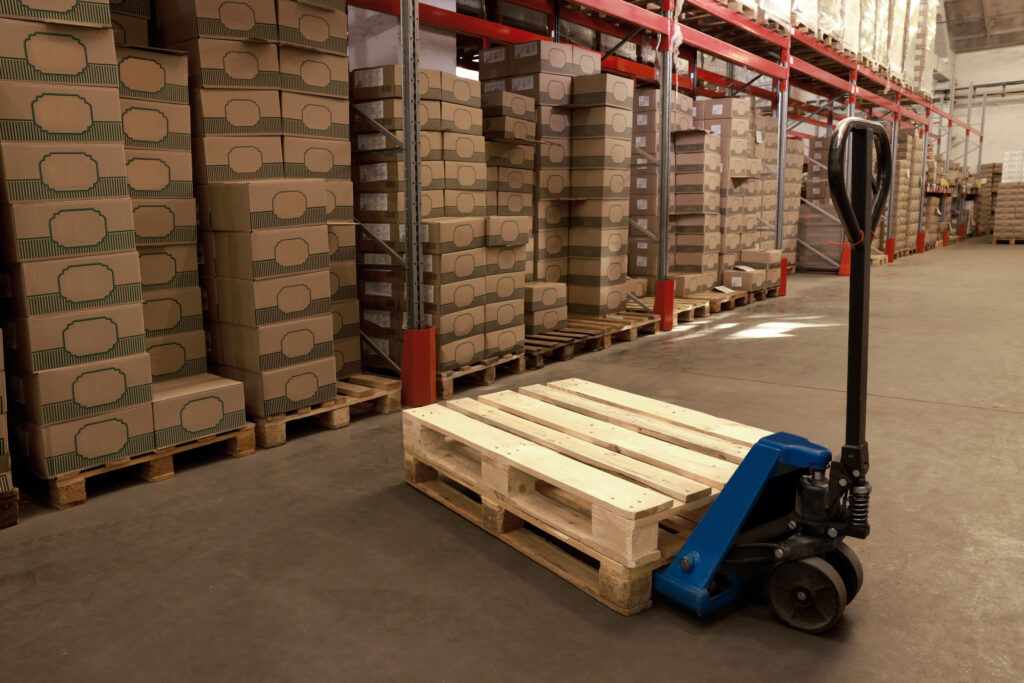
The pallet should comfortably support the product without excessive overhang.
Product Weight
Different pallet sizes and designs have varying load capacities.
Storage Systems
Ensure the pallet is compatible with your racking systems and warehouse layout.
Transportation Requirements
Consider trailer dimensions, shipping methods, and customer requirements.
Industry Standards
Many industries have established pallet preferences that simplify logistics and customer acceptance.
Common Mistakes Businesses Make
Choosing the wrong pallet size can create operational challenges.
Some common mistakes include:
Ignoring Product Dimensions
Oversized products can become unstable and increase damage risks.
Focusing Only on Cost
The cheapest pallet is not always the most cost-effective option long term.
Overlooking Handling Equipment
Not all pallet sizes work equally well with every forklift or pallet jack.
Forgetting Future Growth
Businesses should consider future shipping and storage needs when selecting pallet solutions.
The Future of Standard Pallet Sizes
As supply chains evolve, standard pallet sizes continue to play a vital role in logistics and material handling.
Automation, warehouse robotics, and advanced distribution systems all rely heavily on standardized pallet dimensions. While custom solutions will always have a place, standard pallet sizes remain the backbone of efficient shipping and storage operations worldwide.
Businesses that understand pallet dimensions and select the appropriate size for their products will be better positioned to reduce costs, improve efficiency, and streamline logistics operations.
Conclusion
Understanding standard pallet sizes is one of the most important steps in building an efficient shipping and storage strategy. From the widely used 48″ x 40″ GMA pallet to specialized industry-specific dimensions, each pallet size serves a unique purpose within the supply chain.
Choosing the right pallet size can improve warehouse efficiency, reduce transportation expenses, increase product protection, and support long-term operational success. Whether you’re purchasing new pallets, recycled pallets, or exploring custom pallet solutions, taking the time to evaluate your needs can lead to significant savings and improved performance.
If you’re looking for guidance on selecting the right pallet for your operation, contact us here for general questions and expert assistance. If you’re ready to discuss pallet products, custom pallet solutions, or pricing, request a quote here and our team will help you find the right fit for your business.
Further Reading
National Wooden Pallet & Container Association (NWPCA)
https://www.palletcentral.com
International Organization for Standardization (ISO)
https://www.iso.org
Material Handling Industry (MHI)
https://www.mhi.org
Occupational Safety and Health Administration (OSHA) Material Handling Guidelines
https://www.osha.gov/materials-handling