
Choosing the right pallet type is an important decision for any business that ships, stores, or distributes products. Whether you operate a warehouse, manufacturing facility, or agricultural business, your pallet choice directly affects cost, efficiency, and product protection.
Understanding new vs recycled pallets pros and cons helps you make informed decisions that align with your operational goals. Both options have advantages, and the right choice depends on your specific needs, budget, and shipping requirements.
In this guide, we will break down the key differences, benefits, and drawbacks of each option so you can confidently determine which pallet solution works best for your business.
Understanding New Pallets
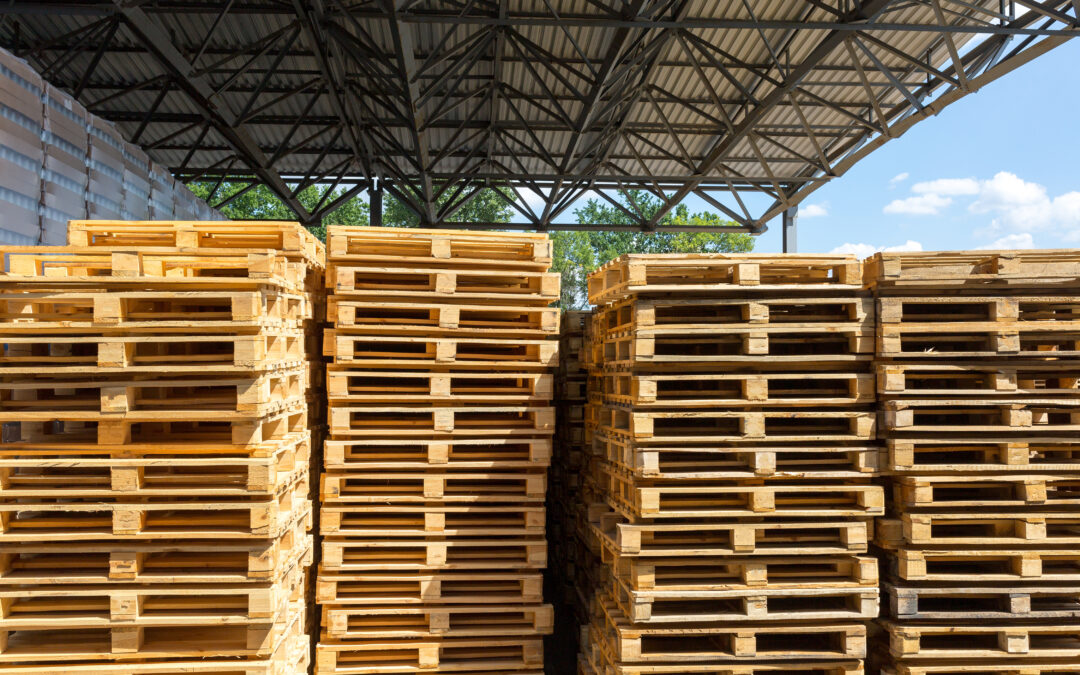
New pallets are built from fresh lumber and have never been used in shipping or storage. They are manufactured to precise specifications and offer consistency across every unit.
Businesses that require uniformity, strength, and a clean appearance often choose new pallets.
Advantages of New Pallets

One of the biggest advantages in the discussion of new vs recycled pallets pros and cons is consistency. New pallets are identical in size and structure, which makes them ideal for automated systems, racking, and standardized shipping processes.
Another key benefit is strength. Because they are made from new materials, these pallets provide maximum load capacity and durability. This is especially important for heavy or high-value products.
New pallets also offer a clean and professional appearance. For industries such as retail or food distribution, this can be an important factor.
Additionally, new pallets can be customized. Businesses can specify dimensions, wood type, and structural reinforcements to match their exact needs.
Disadvantages of New Pallets
Despite their benefits, new pallets come with higher upfront costs. Fresh lumber and manufacturing processes increase the price compared to recycled options.
Another consideration is sustainability. Using new materials may not align with companies focused on reducing environmental impact.
For businesses that do not require maximum strength or uniformity, new pallets may be more than what is necessary.
Understanding Recycled Pallets
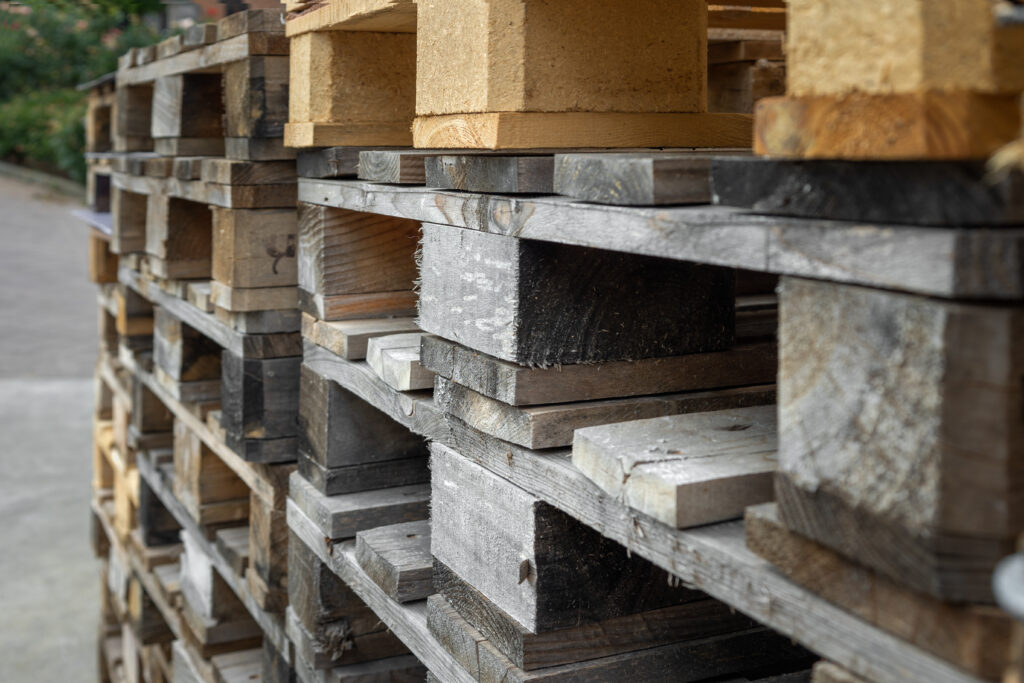
Recycled pallets, sometimes called used or refurbished pallets, are previously used pallets that have been repaired and restored for continued use.
They are widely used across industries because they provide a cost-effective and environmentally friendly alternative.
Advantages of Recycled Pallets
Cost savings are one of the biggest advantages when evaluating new vs recycled pallets pros and cons. Recycled pallets are typically more affordable, making them ideal for businesses managing high shipping volumes.
Sustainability is another major benefit. Reusing pallets reduces waste and extends the lifecycle of materials, helping businesses meet environmental goals.
Availability is also a key advantage. Recycled pallets are often readily available in large quantities, making them a practical option for companies that need quick turnaround times.
For many applications, recycled pallets provide sufficient strength and reliability, especially when they have been properly inspected and repaired.
Disadvantages of Recycled Pallets
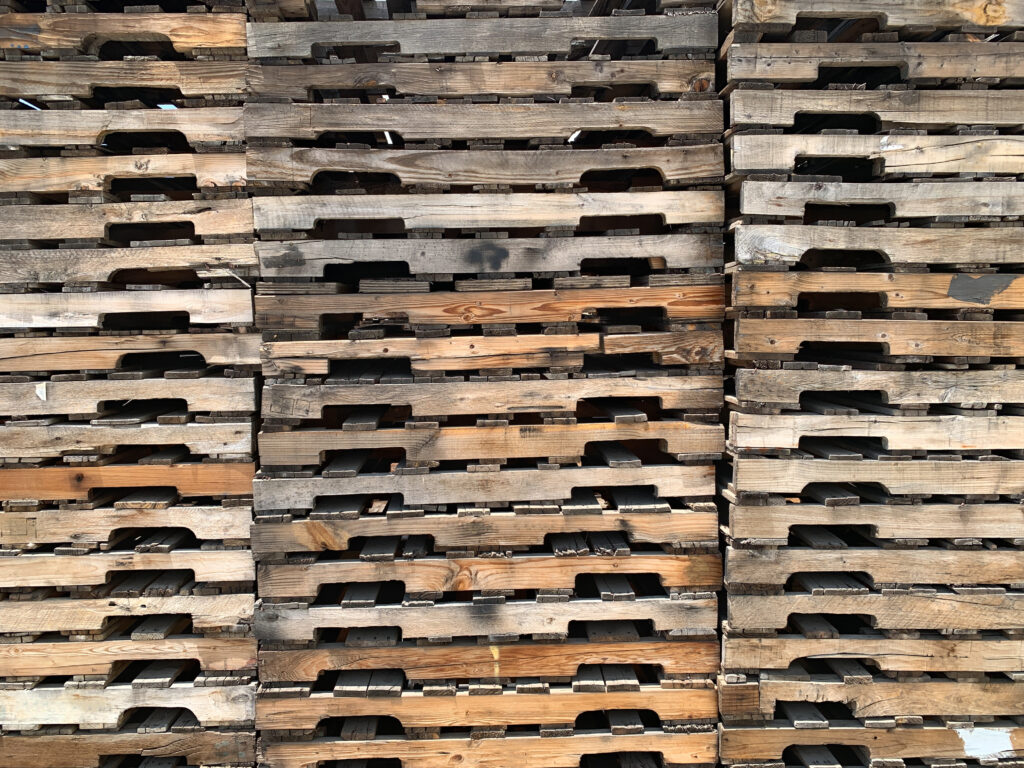
The main drawback of recycled pallets is variability. Since they have been used before, they may differ slightly in size, condition, and appearance.
This inconsistency can create challenges for automated systems or operations that require precise uniformity.
Recycled pallets may also have a shorter lifespan compared to new pallets, depending on their condition and previous usage.
In some cases, they may not be suitable for industries with strict cleanliness requirements.
Cost Comparison: New vs Recycled Pallets Pros and Cons
Cost is often the deciding factor for many businesses. When comparing new vs recycled pallets pros and cons, it is important to look beyond the initial purchase price.
New pallets have a higher upfront cost but may last longer, especially in demanding environments. This can reduce replacement frequency over time.
Recycled pallets offer lower initial costs, making them attractive for businesses focused on short-term savings or high-volume shipping.
The best option depends on how pallets are used in your operation. If pallets experience heavy wear and tear, investing in new pallets may provide better long-term value. If your needs are less demanding, recycled pallets can deliver significant savings.
Durability and Performance
Durability plays a major role in pallet selection. New pallets are designed for maximum strength and can handle heavy loads and repeated use.
Recycled pallets, while still durable, may vary depending on their condition. High-quality recycled pallets that have been properly repaired can perform well in many applications.
When evaluating new vs recycled pallets pros and cons, consider the weight of your products, frequency of use, and handling conditions.
Sustainability Considerations
Sustainability is becoming increasingly important for businesses across all industries. Recycled pallets offer a clear advantage in this area.
By reusing existing materials, businesses reduce waste and minimize the demand for new lumber. This contributes to a more sustainable supply chain.
However, new pallets can still play a role in sustainability when sourced responsibly and used for long periods.
Balancing new vs recycled pallets pros and cons often involves aligning operational needs with environmental goals.
Which Option Is Right for Your Business?
There is no one-size-fits-all answer when it comes to choosing between new and recycled pallets. The right choice depends on your specific requirements.
Choose new pallets if you need:
- Consistent sizing for automation or racking
- Maximum strength for heavy loads
- Custom designs tailored to your products
- Clean appearance for customer-facing operations
Choose recycled pallets if you need:
- Lower upfront costs
- Sustainable and eco-friendly solutions
- Quick availability for large orders
- Reliable performance for standard applications
Many businesses use a combination of both, depending on different areas of their operations.
Why Work with a Trusted Pallet Supplier
No matter which option you choose, working with a reliable supplier is essential. A knowledgeable pallet partner can help you evaluate new vs recycled pallets pros and cons based on your business needs.
An experienced supplier will ensure:
- Quality control for both new and recycled pallets
- Access to bulk quantities
- Custom solutions when needed
- Guidance on cost-effective options
Having the right partner helps you get the most value from your pallet investment.
Conclusion
Understanding new vs recycled pallets pros and cons allows businesses to make smarter decisions about shipping, storage, and overall logistics. Both options offer unique benefits, and the best choice depends on your priorities, whether that is cost, durability, consistency, or sustainability.
If you are evaluating pallet options for your operation, contact us here for a quote. For questions about pallet types, availability, or custom solutions, contact us here and our team will be happy to help you find the right fit.
Further Reading
Pallet design fundamentals and engineering
https://www.palletcentral.com/pallet-design-system
ISPM-15 wood packaging regulations
https://www.aphis.usda.gov/aphis/ourfocus/importexport/sa_wood_packaging
Pallet recycling and sustainability guide
https://igps.net/pallet-recycling-the-complete-guide/